
PERIMENOPAUSE, MENOPAUSE & POST MENOPAUSE
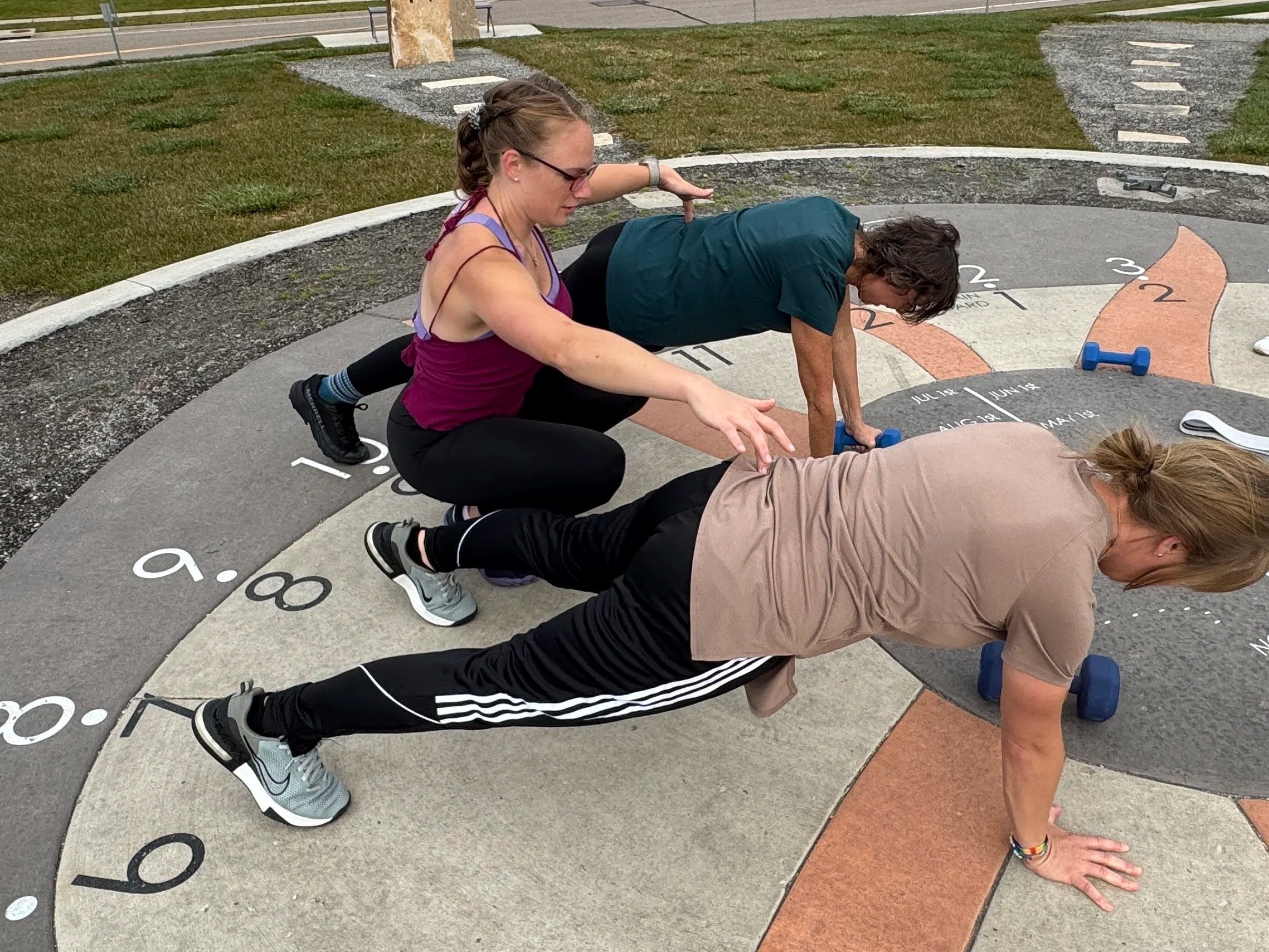
Choose Your Perimenopause, Menopause or Post Menopause Workout Plan
Private Peri/Menopause Personal Training
HIGH TOUCH - CUSTOMIZED - ACCOUNTABILITY
Weekly 1:1 virtual personal training sessions
3 additional peri/menopause workouts with modifications, developed around your schedule and space, each week.
Virtual & In-Person Personal Training
Personal training without the additional programming each week.
Online worldwide or in-person locally (Boulder County, CO)
6-Week PERI/MENOPAUSE Workout Template
CUSTOMIZED - INDEPENDENT - GUIDED
A guided 6-week program, customized for you
18 total workouts (3/week), customized to your space, fitness level, and equipment.
Private Peri/Menopause Customized Workout Program
CUSTOMIZED - STRUCTURED - GUIDANCE
4 customized peri/menopause workouts with modifications, developed around your schedule and space, progressed each week.
Unsure? Let’s Explore
Not sure where to begin with perimenopause, menopause, or post menopause fitness? Book a call, and we’ll identify the right workout plan for your hormones, recovery capacity, and goals.
Frequently Asked Questions
-
Hormonal fluctuations - especially declining estrogen and progesterone - directly impact sleep quality, nervous system regulation, and recovery capacity. Many women continue training the way they did in their 30’s, which can worsen perimenopause fatigue. Your workout plan must account for stress load, recovery windows, and hormone variability.
-
Common perimenopause symptoms include: irregular cycles, increased fatigue, mood changes, stubborn weight gain, poor recovery from workouts, and sleep disruption. Strength training during this stage should support your nervous system - not overload it.
-
During perimenopause and menopause: Estrogen declines, muscle protein synthesis becomes less efficient, cortisol sensitivity increases, and insulin sensitivity may decrease.
If your training doesn’t adjust for these physiological shifts, your body may hold onto fat - particularly around the abdomen. The solution is not “more cardio”. It’s smarter strength programming.
-
The most effective perimenopause workout plan includes:
>Progressive strength training
>Strategic rest periods
>Eccentric and isometric loading
>Recovery based programming
>Nervous system regulation
High intensity workouts without recovery strategy often backfire.
-
Yes, but intelligently. Postmenopausal women benefit significantly from:
>Heavy resistance training (bone density)
>Compound movements
>Controlled tempo lifting
>Longer rest intervals
The key is dosage and recovery, not avoiding intensity altogether.
-
Most programs treat menopause like a limitation. My approach uses:
>Hormone-informed strength training
>Nervous system regulation
>Progressive overlaod
>Recovery first programming
>Pelvic floor and core integration
-
Absolutely not! Postmenopausal strength training is one of the most powerful tools for:
>Preventing osteoporosis
>Preserving muscle
>Improving metabolic health
>Supporting longevity
It’s never too late to build strength.
-
Your physiology and hormones have changed.
What worked in your 20’s, 30’s, and 40’s (for some) may now:
>Elevate cortisol
>Disrupt sleep
>Increase inflammation
>Stall fat loss
This isn’t a motivation problem. It’s a programming problem.
-
Yes - when programmed correctly. Strength training can help:
>Improve energy
>Reduce menopause fatigue
>Support bone density
>Improve insulin sensitivity
>Stabilize mood
Improve body composition
But overtraining can worsen symptoms. Hormone informed programming matters.